

Plan your calendar hierarchy
Before importing any .ics files or syncing third-party apps, establish a clean hierarchy. Without it, your calendar becomes a "gray soup" of overlapping events that are impossible to distinguish at a glance. A logical structure prevents the common conflict where work meetings bleed into personal reminders.
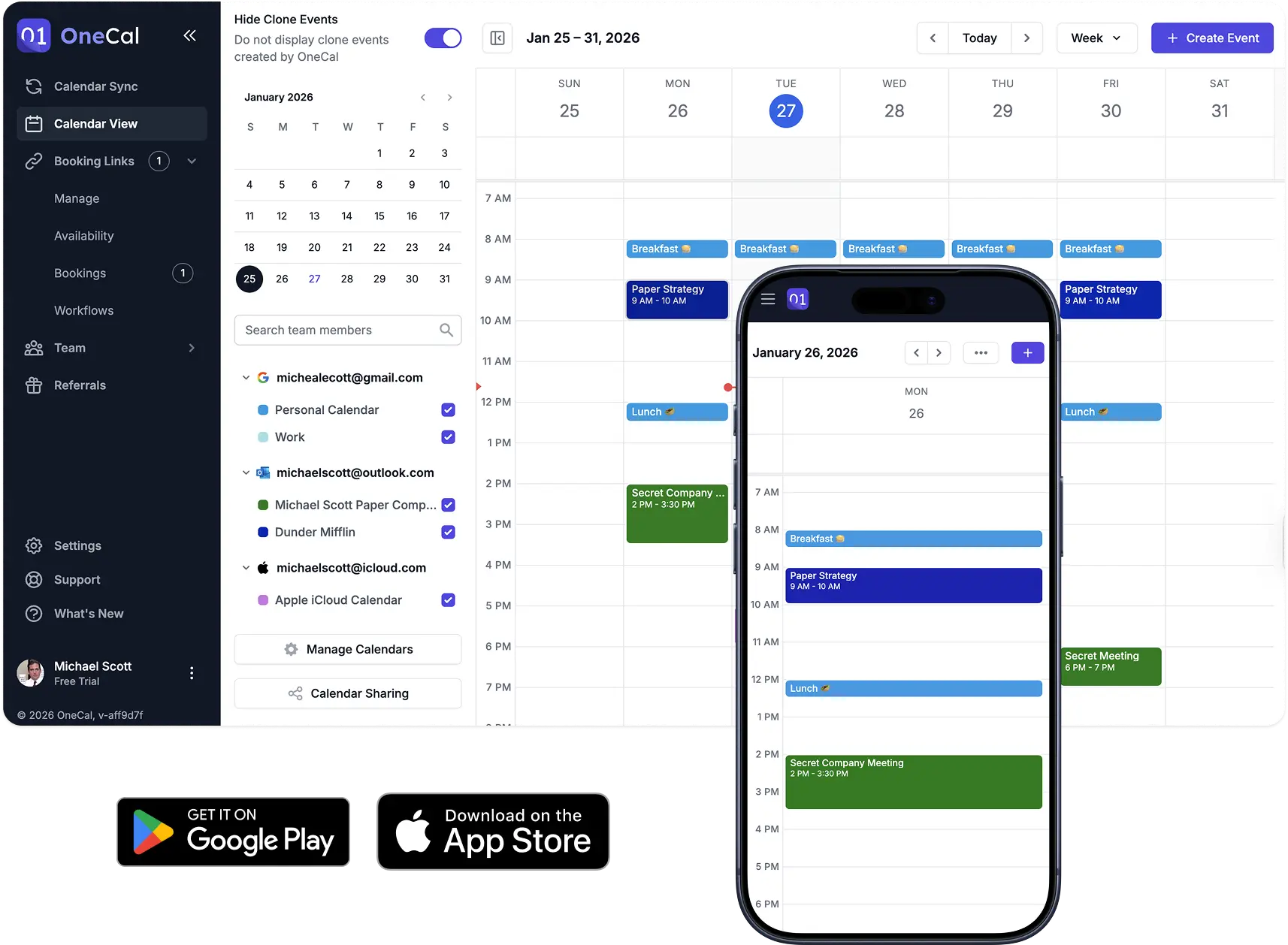
Start by defining your primary calendar categories. Most platforms allow you to create sub-calendars under a main account. Assign each category a distinct color code immediately. This visual separation is the first line of defense against scheduling collisions.
Next, decide on your import strategy. If you are migrating from another provider, export your events first. Verify that the date formats in the exported file match your target platform’s expectations. Misaligned time zones or date formats are the leading cause of "phantom" events appearing on wrong days.
Finally, test the hierarchy with a single dummy event. Import a small batch of data and verify that the color coding applies correctly. If the colors bleed together, adjust the calendar settings before importing the full dataset. This small check saves hours of manual cleanup later.
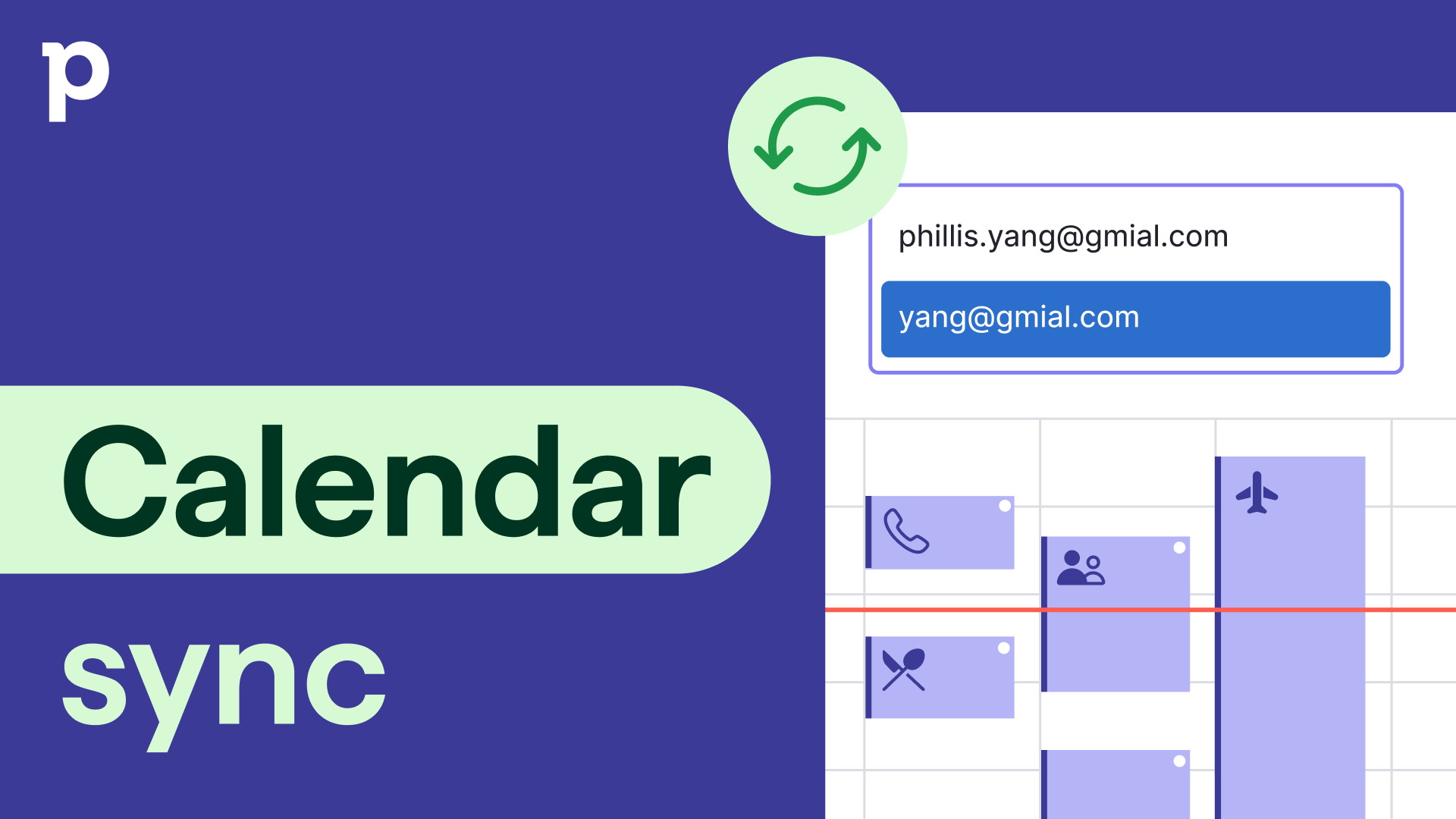
Import calendars from other platforms
Calendar Geek works best as a clear sequence: define the constraint, compare the realistic options, test the tradeoff, and choose the path with the fewest hidden costs. That order keeps the advice usable instead of decorative. After each step, pause long enough to check whether the recommendation still fits the reader's actual situation. If it depends on perfect timing, unusual access, or a best-case budget, include a simpler fallback.

Share calendars with team or family
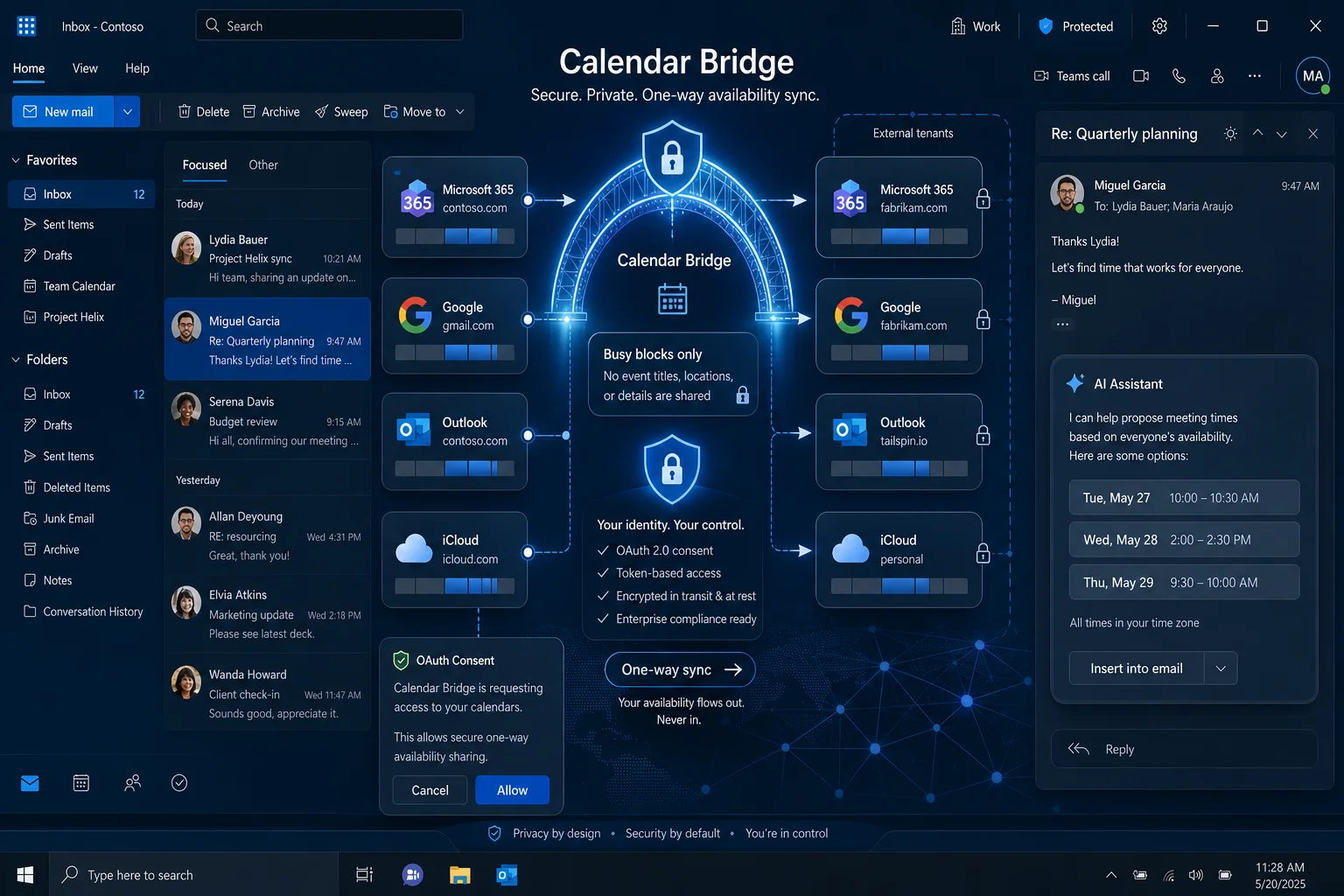
Calendar Geek works best as a clear sequence: define the constraint, compare the realistic options, test the tradeoff, and choose the path with the fewest hidden costs. That order keeps the advice usable instead of decorative. After each step, pause long enough to check whether the recommendation still fits the reader's actual situation. If it depends on perfect timing, unusual access, or a best-case budget, include a simpler fallback.
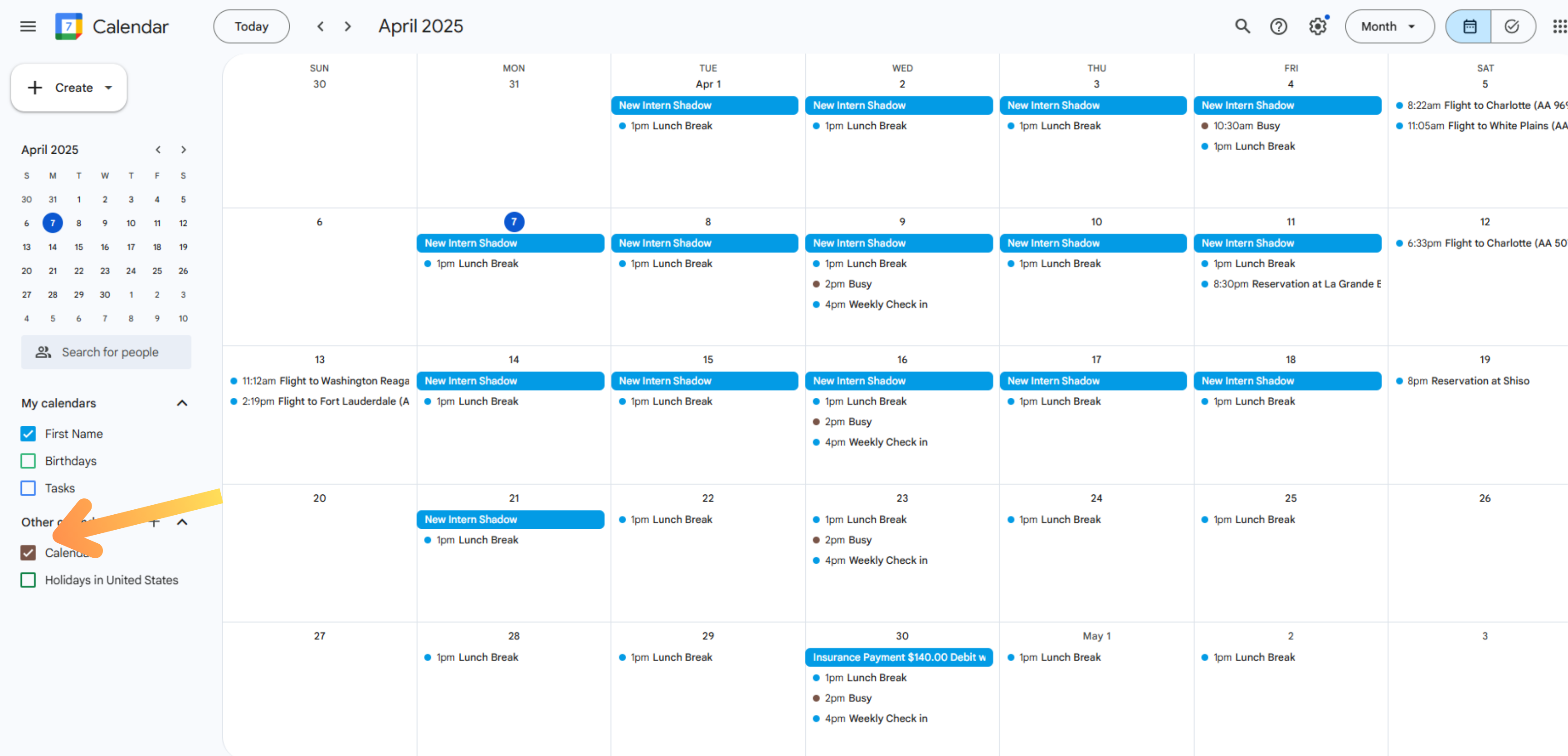
Fix common sync conflicts
Calendar Geek troubleshooting should start with a clear boundary: what is actually broken, and what still works normally. Check the display, network connection, paired devices, app access, and recent updates before assuming the whole system needs a reset. A small connection failure can make the main screen feel unreliable even when the core system is fine. Work from low-risk checks to deeper resets. Confirm power state, safe parking, account access, and signal first. Then restart the interface, wait for it to reload completely, and test the original symptom. Avoid changing multiple settings at once because that makes it harder to know which step actually fixed the problem. If the issue affects safety information, repeats after every restart, or appears with warning messages, treat the reset as a temporary diagnostic step rather than the final fix. Document the symptom and move to official support instead of stacking more DIY attempts.
The simplest way to use this section is to keep the setup small, verify each change, and record the stable configuration before adding optional accessories.
Verify your sync health
Your calendar is only as reliable as the signal between your devices. A sync error that goes unnoticed can turn a simple scheduling conflict into a full-blown professional embarrassment. Before you rely on your digital planner for critical meetings, run a quick health audit to ensure your data is consistent across all endpoints.
Start by checking the "Upcoming" view on your primary device. Look for any events marked with a red exclamation point or a "Sync Error" badge. These indicators usually mean the local file is out of step with the server. If you see them, force a manual refresh or toggle your network connection off and on to trigger a fresh pull from the cloud.
Next, verify that your time zone settings are identical across all devices. A common source of phantom conflicts is a device set to "Local Time" while another is pinned to a specific time zone. Ensure every phone, tablet, and computer is using the same time zone setting to prevent events from appearing at the wrong hour.
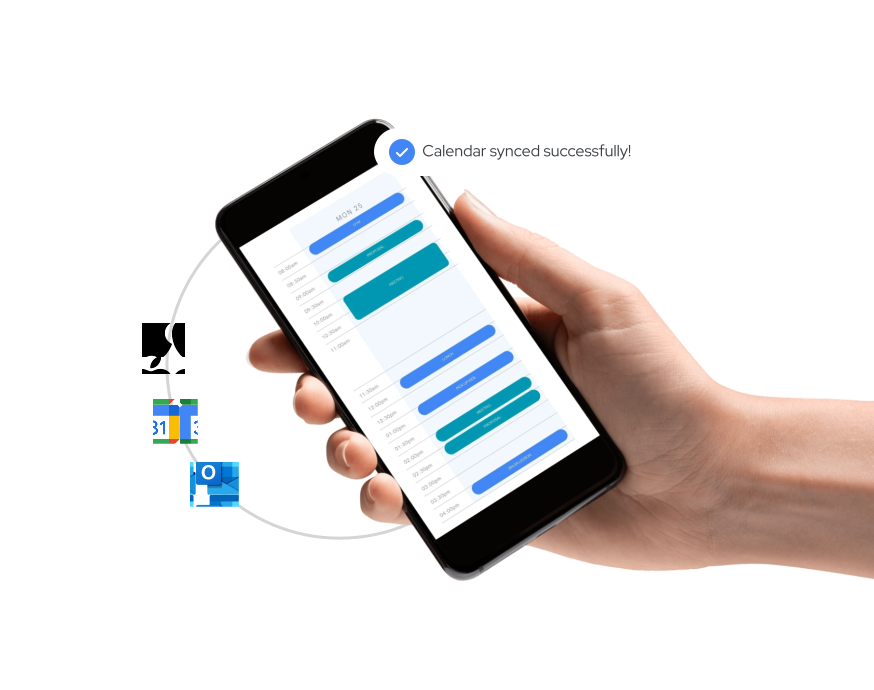
Finally, test the two-way sync by creating a dummy event on one device and checking if it appears on another within two minutes. If the event doesn't propagate, the issue likely lies with your account permissions or the specific calendar app's background sync settings. Once the test event appears everywhere and disappears after deletion, your sync health is verified.
No comments yet. Be the first to share your thoughts!