

Why the latest updates broke your calendar
Operating system updates usually fix things, but iOS 19.3 and Android 14.2 are breaking calendar sync for a lot of people. The timing isn't a coincidence. If your schedule stopped updating right after you hit 'install,' you aren't alone.
From what I’ve gathered, the changes aren’t necessarily about new calendar features. Instead, these updates seem to have altered how iOS and Android manage permissions related to background app refresh and data access. Google and Apple both made adjustments to their systems for handling app interactions, and some of those changes are colliding with how calendar apps operate. Users are noticing problems after updating, which points to a system-level shift.
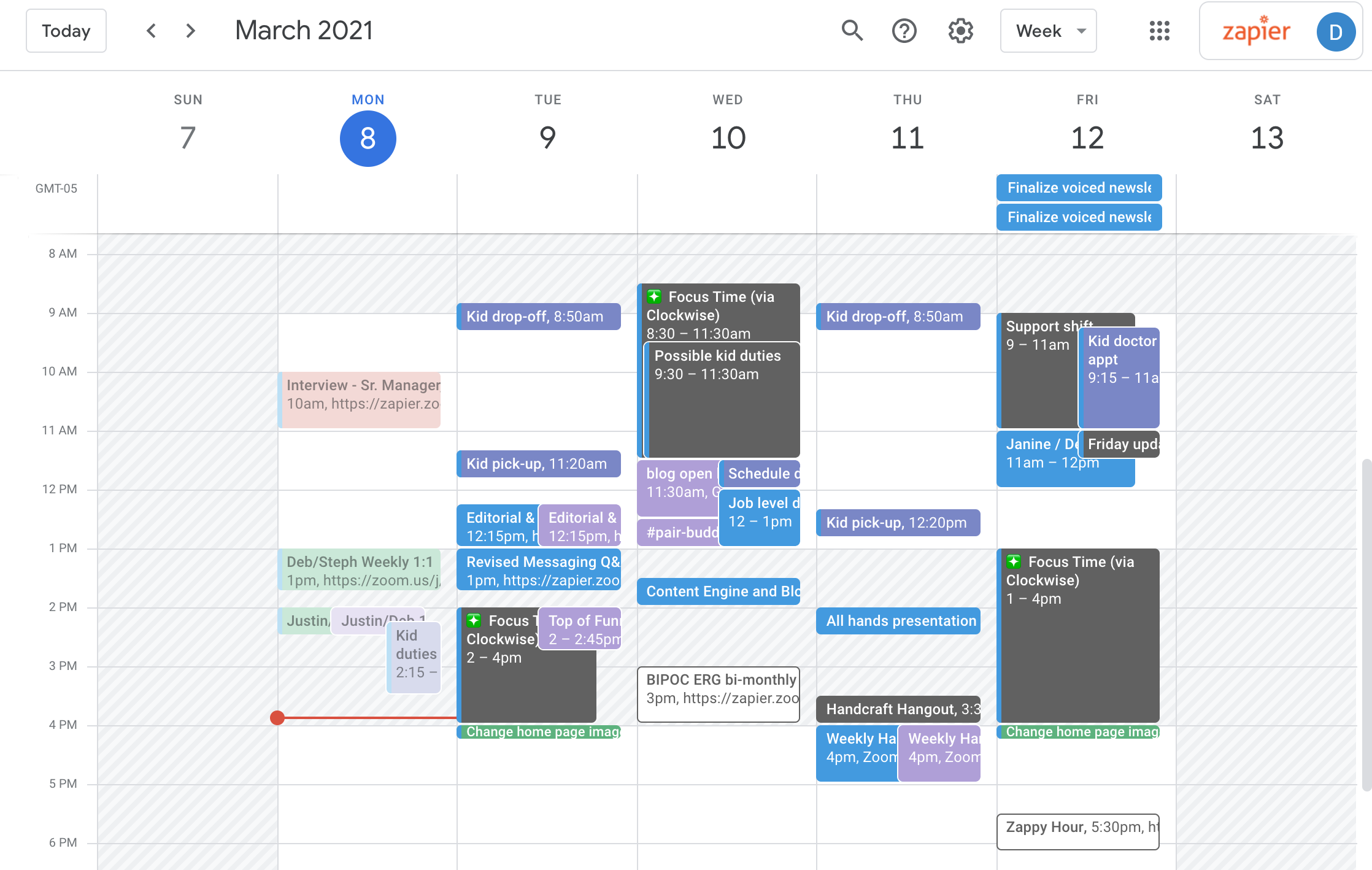
Reports are flooding in about everything from missed appointments to duplicated events. This isn’t a universal problem; some users aren’t affected at all. But for those experiencing issues, the frustration is real. It’s easy to miss important events when your calendar isn’t reliably syncing. We're seeing accounts across different providers—Google, iCloud, Exchange—all reporting similar sync failures.
Content is being updated. Check back soon.
Vanishing events and time zone glitches
The most common complaint is disappearing events. You save an appointment on your phone, but it never shows up on your laptop—or worse, it vanishes from the original device entirely. It's a mess for anyone jumping between a phone and a tablet all day.
Incorrect time zones are another major source of frustration. Events are showing up at the wrong time, leading to missed meetings and confusion. This seems to be more common for users who travel frequently or work with people in different time zones. Some are reporting that the time zone settings are reverting to defaults after each update, requiring manual correction.
Duplicated events are also widespread. Instead of a single appointment, users are seeing multiple identical entries, cluttering their calendars and making it difficult to track actual commitments. Delays in synchronization are also common, with changes taking hours – or even days – to appear on all devices. In the most severe cases, users are experiencing a complete sync failure, where no new events are reflected across their accounts.
Google Calendar Sync: Specific Fixes
If you’re using Google Calendar and experiencing sync problems after the iOS 19.3 or Android 14.2 updates, there are several steps you can take. First, double-check your account permissions. Ensure that Google Calendar has the necessary permissions to access your calendar data on both iOS and Android. This is usually found in the Settings app under Accounts or Privacy.
On Android, it's vital to ensure background data isn’t restricted for the Google Calendar app. Go to Settings > Apps > Google Calendar > Data Usage, and make sure 'Background data' is enabled. Without this, the app can’t sync in the background. According to Google’s support documentation (support.google.com), this is a common culprit.
Clearing the cache and data for the Google Calendar app (Android only) can also resolve sync issues. Be aware that this will remove any offline data, so you’ll need an internet connection to access your calendar afterward. You can do this in Settings > Apps > Google Calendar > Storage. If that doesn’t work, try removing and re-adding your Google account to your device. This forces a complete resynchronization.
Finally, check for conflicting calendar subscriptions. Sometimes, a third-party calendar can interfere with the sync process. Try temporarily disabling any subscriptions to see if that resolves the issue. If you’re still having trouble, the official Google Calendar Help page is a good resource.
Apple Calendar Sync: Troubleshooting Steps
For those using Apple Calendar, the troubleshooting steps are a little different. Start by verifying your iCloud settings. Go to Settings > [Your Name] > iCloud and ensure that "Calendar’ is toggled on. If it"s already on, try toggling it off and then back on to force a resync. Also, be certain your Time Zone settings are correct – incorrect time zones can cause significant sync problems.
If you’re syncing multiple calendars (iCloud, Google, Exchange), conflicts can arise. Try temporarily disabling any non-iCloud calendars to see if that resolves the issue. Pay close attention to any calendar subscriptions you’ve added. These can sometimes cause unexpected behavior. Removing and re-adding a subscription can often fix sync problems.
Check your CalendarKit extensions. These add extra features but often clash with system updates. Go to Settings > Calendar > Extensions and toggle them off one by one. If the sync starts working after you disable a specific one, you've found the problem.
If you’re using an older version of macOS or iOS, make sure you’re running the latest available updates. Software updates often include bug fixes that address calendar sync issues. Keep in mind that a full device restart can sometimes clear up temporary glitches that are interfering with synchronization.
Issues with Outlook and Fantastical
Many people prefer third-party calendar apps like Fantastical, Outlook, or BusyCal for their advanced features and user-friendly interfaces. Unfortunately, these apps are often more susceptible to sync issues after iOS or Android updates. Developers need time to update their apps to fully support the latest operating system changes.
Reports are surfacing online about Fantastical users experiencing delays and incomplete syncs. The developers at Flexibits have acknowledged the issues and are working on a fix. Similarly, some Outlook users are reporting problems with event duplication and missing appointments. Microsoft has released updates to address some of these concerns, but ongoing issues are still being reported.
If you’re using a third-party calendar app, the first step is to check for updates. The developer may have already released a fix. If an update isn’t available, contact the app developer’s support team. As a temporary workaround, consider switching back to the native Calendar app (Apple Calendar or Google Calendar) to see if that resolves the issue. This can help you determine whether the problem lies with the third-party app or with the underlying operating system.
Advanced: Checking Calendar Subscriptions
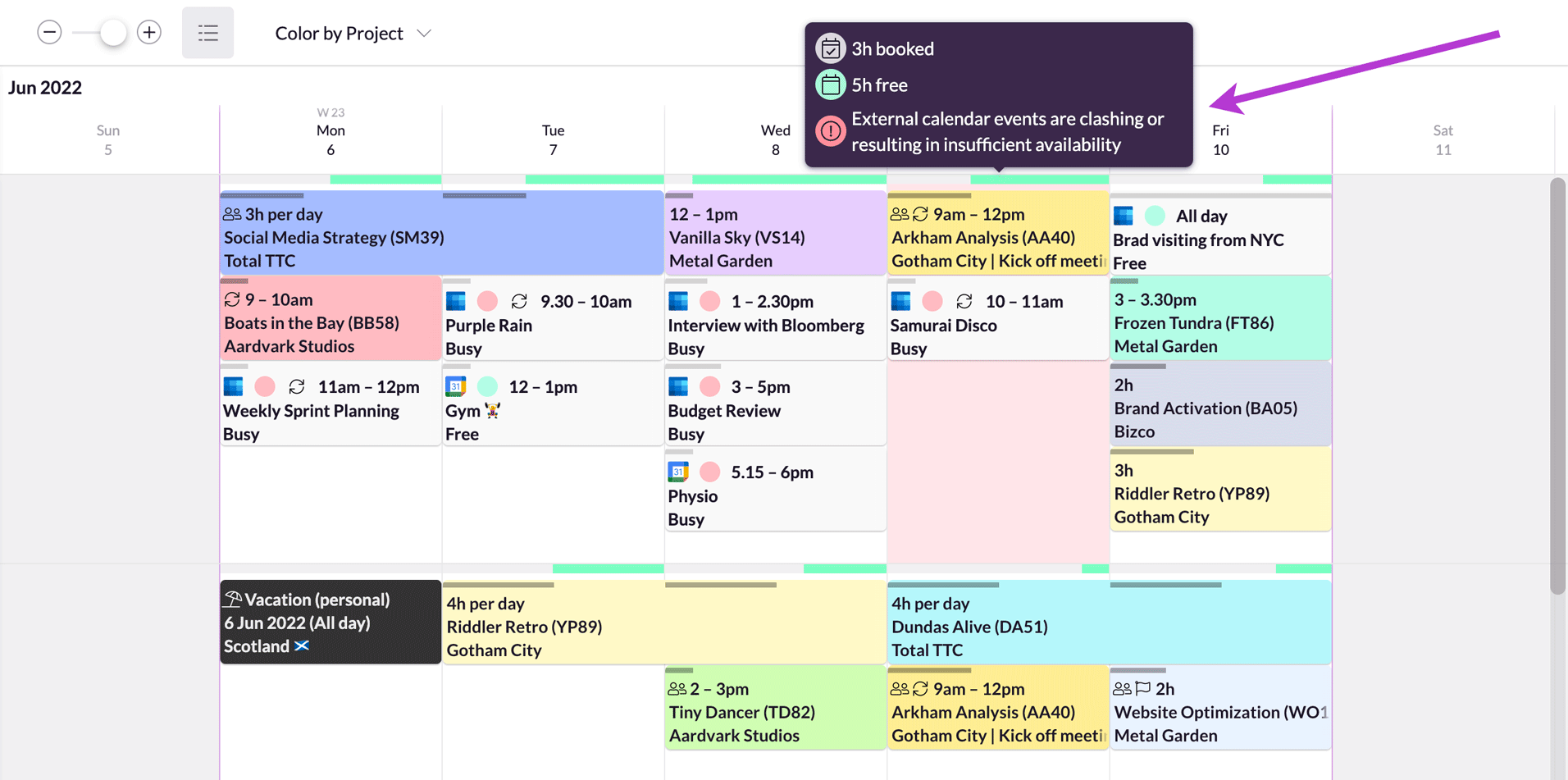
Many users subscribe to external calendars for things like sports schedules, holiday calendars, or school events. While convenient, these subscriptions can sometimes cause sync conflicts. It’s worth reviewing your subscribed calendars to see if any of them are causing problems.
In both iOS and Android, you can find your subscribed calendars in the Calendar app settings. Look for a section labeled "Subscriptions’ or ‘Other Calendars". Try temporarily disabling any subscriptions that you suspect might be causing issues. Removing and re-adding a subscription can also sometimes resolve conflicts.
Content is being updated. Check back soon.
When to Contact Support
If you’ve tried all of the troubleshooting steps above and are still experiencing calendar sync problems, it’s time to contact support. For issues with iCloud Calendar, visit Apple Support (support.apple.com). For Google Calendar issues, visit Google Calendar Help (support.google.com).
When contacting support, be sure to provide as much detail as possible, including your operating system version, app version, specific error messages, and a description of the steps you’ve already taken. The more information you provide, the easier it will be for support to diagnose and resolve the problem.

No comments yet. Be the first to share your thoughts!